thank you for the reply im not so concerned with the end treatment as this will be correct as things are,
but with how people know what to do when manufacturing the bars with couplers .
Why is a bar threaded if it's not connected to a coupler?
this is where you would use a position coupler (the bar dose not need to turn the coupler is screwed on for a starter bar in some cases , like when producing a base slab made up of rebar matts joined together onsite , one matt would be fitted with a coupler and the opposite matt only threaded to received that coupler and join.

or where cages are joined in sections using couplers (coupler on top the other end threaded only to join into the next one)


Do you encounter such situations?
the purpose of the rebar bbs is for bars to be produced as '' cut and bent'' or prefabricated steel.
so each bar will have to be made on the factory floor , if a bar is joined with a coupler and finished in a coupler -there are a few ways to produce this - one bar with two couplers + one bar with just a thread , or one bar with a coupler and thread joined to one bar with coupler.
but cut and bent or prefab there needs to be some direction on how to make up the length of bar.


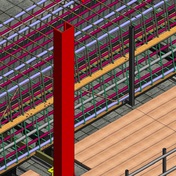
I have added some pictures from our detailing software , even though the bars are joined with a coupler one has to be made with just a thread , for a steel call off there is no difference you will have all the bars with the correct end treatment and the correct amount of couplers but how do you fit them correctly if not detailed as we have ?
In your projects how are the bars delivered to the site?
in most cases the bars are fitted with the couplers in the factory for both loose steel and prefab steel.
this would be the recommendation from the suppliers as sites wouldn't have the equipment to fit them.
at the moment the people who have to produce the rebar from revit end up with a load of threaded bars and a box of couplers and no way of knowing where to fit them that I can see